
Best Hair Clinics in Barcelona
A hair clinic in Barcelona performs grafts and alopecia treatments with techniques such as FUE. The listing follows the order marked by real patient reviews, as explained in our methodology; what's important when choosing is that a doctor handles your case (not just technicians), an honest prior diagnosis, and long-term results you can verify.
List of Barcelona's Medical Trichology and Hair Treatment Centers with the Best Customer Reviews
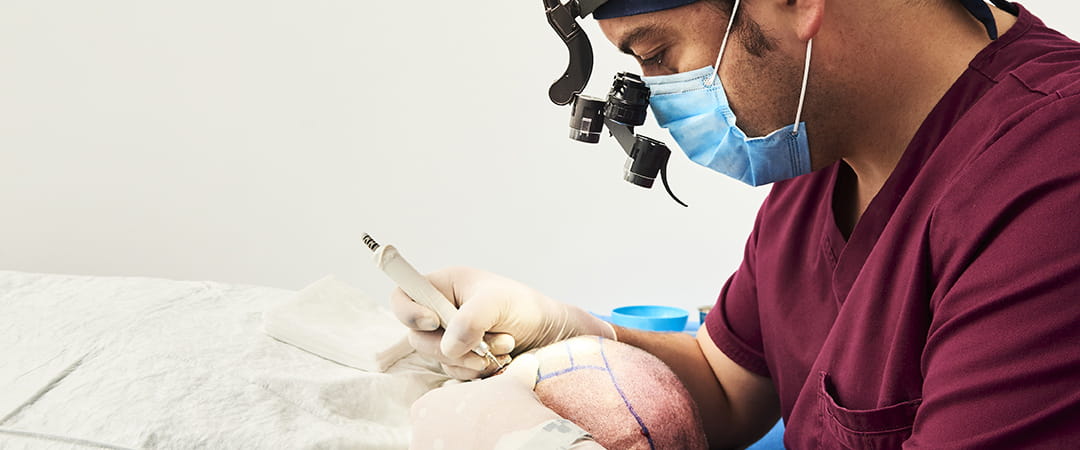
Clínica Jacobovski
Specialists in hair transplantation and advanced treatments for hair loss in Barcelona, with painless techniques, natural results and flexible financing for your confidence.
Services:
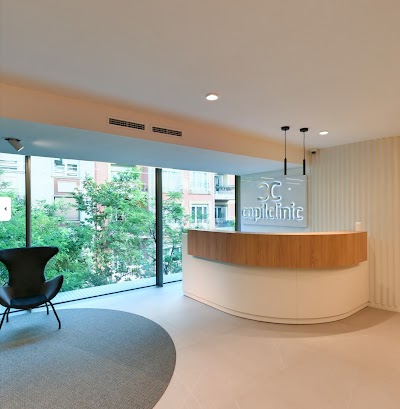
CapilClinic Barcelona
Specialists in hair transplantation with advanced techniques and personalized care, aimed at those seeking to restore their hair with natural results and quality guarantee.
Services:
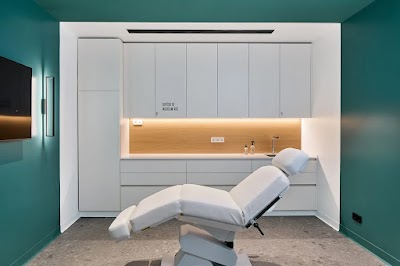
May Clínica Médica Capilar
Clinic specializing in hair transplants and hair medicine with advanced FUE Sapphire and DHI techniques, offering free diagnosis and guaranteed results for demanding patients.
Services:
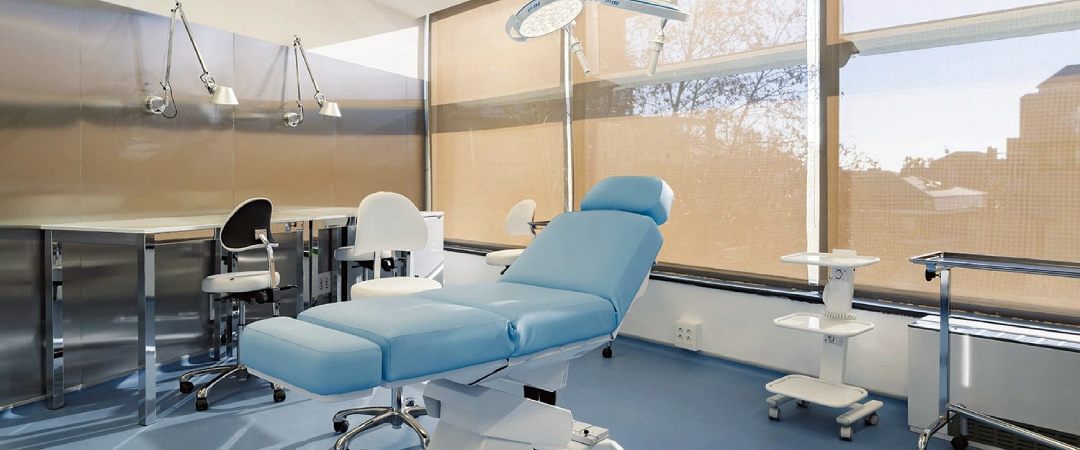
CCCI – Centro de Cirugía Capilar Internacional
Specialized clinic in hair transplant using the FUE technique in Barcelona, offering personalized assessment by independent surgeons, advanced facilities, and comprehensive patient support.
Services:
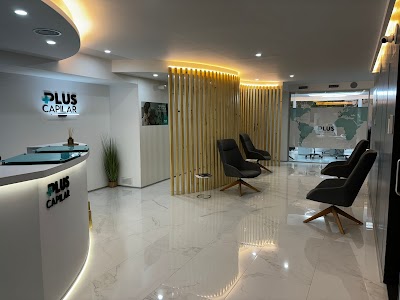
PlusCapilar & PlusEstética
Specialized hair aesthetic services with over 14 years of experience, focused on improving your image and self-esteem. Professional care for those who want to always look young.
Services:
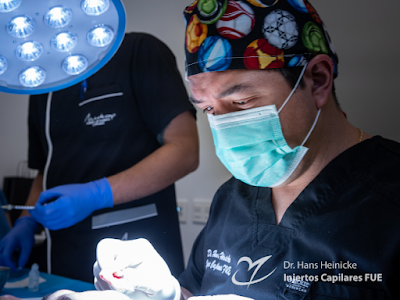
Dr. Hans Heinicke
Specialists in hair transplants using advanced FUE technique, natural results and fast recovery, serving men and women seeking an effective solution for alopecia.
Services:
Medical Hair Barcelona
Clinic specialized in hair medicine with over 25 years of experience, advanced treatments and expert medical team to restore hair and well-being. First consultation free.
Services:

Clínica Keller
Specialized center in hair transplants and vascular medicine, with innovative techniques and expert team, aimed at those seeking effective solutions for hair and vascular health.
Services:
Hair Forever
Specialists in hair transplantation and alopecia treatments in Barcelona, with advanced technology, safe results and personalized care for men and women.
Services:

Noan clinic
Clinic specializing in aesthetic medicine and hair transplantation offering advanced and personalized techniques for natural results, aimed at those seeking to improve their appearance safely.
Services:
Frequently Asked Questions About Hair Transplants in Barcelona
No, hair transplantation typically doesn't hurt during the procedure. It's performed under local anesthesia, so you remain conscious but the donor and recipient areas are numbed. You don't feel pain during the operation. It's a relatively comfortable outpatient process.
After surgery, once the anesthesia wears off, there may be mild discomfort or some sensitivity in both the extraction and implanted areas. Some patients describe a feeling of tightness, slight swelling, or minor itching in the days following, but the discomfort is manageable with prescribed pain relievers.
Each person has a different pain threshold, but generally a hair transplant is not painful thanks to anesthesia and modern minimally invasive techniques. Possible postoperative discomfort (swelling, slight burning sensation) disappears within a few days and is controlled with recommended medication and care.
The duration varies depending on the number of follicles to be transplanted and the technique used, but typically takes between 4 and 8 hours. It's a lengthy procedure because it's divided into several stages: first the extraction of follicular units from the donor area (which can take several hours if it's thousands of follicles), and then implantation in the recipient area, which is also meticulous.
For example, a micro-transplant of about 2,000 follicles can take around 6 hours in the operating room. One with 4,000 follicles might approach 8 hours (sometimes spread over two days). The team's experience matters: a well-trained team works more efficiently and quickly. FUE may take longer than FUT, since in FUE each follicle is extracted individually.
In any case, it's typically a single-day surgery. Although it sounds extensive, the patient is comfortable lying down during the different phases, with small intermediate breaks. After the operation, you remain under observation for a while and then can go home the same day, as it doesn't require hospitalization.
Initial recovery is relatively quick. The first 7-10 days are the most delicate phase, requiring the most care. During this period the small incisions begin to heal and the small crusts in the implanted area fall off on their own.
Many patients can return to work (if it's office or light work) after a week, as long as they follow recommendations: wearing a loose cap for protection, avoiding physical exertion, etc. At 2 weeks, the donor area is practically recovered and the recipient area looks much better, with only slight redness.
After the first month, there are no longer obvious signs of surgery on the scalp. Although it's normal for the transplanted hair to fall out during this time. This is the phenomenon called shock loss, a temporary shedding of the grafted hairs. Don't be alarmed: you haven't lost the transplant. The follicle under the skin is still alive; it's just entered a resting phase.
Between the third and fourth month post-operation is when you'll start to see new hairs sprouting from those transplanted follicles. From there on, density will increase progressively. Around 6 months, many patients already notice significant changes: the transplanted hair grows stronger and thicker, increasingly covering previously bare areas.
Complete recovery in terms of final result is typically around 12 months, when most of the growth has manifested and the appearance is very natural. In summary: recovery in terms of wound healing is a few days, but seeing the definitive hair result takes 6-12 months and requires patience. During that time you'll have check-ups with your doctor to ensure everything is progressing well.
The wait requires patience. You won't see immediate results after surgery. In fact, the opposite happens in the first weeks: most transplanted hairs fall out as part of the normal cycle and due to the trauma of the procedure. This is completely normal.
The first signs of new growth typically appear around the third or fourth month after the transplant. You'll notice fine hairs emerging in the previously bald area. From this point, the transplanted hair enters a continuous growth phase.
Between the 5th and 6th month, those hairs become thicker and cover the scalp better. Many patients experience a visible change at 6 months, with previously bare areas starting to look filled in.
From 9 to 12 months post-transplant is when the definitive result is typically appreciated. The grafted hair will have reached good length, density will be the maximum achieved through implantation, and hair texture will be normal.
At one year post-hair transplant is when you can properly evaluate the final result.
There are individual variations: some people "activate" follicles earlier and at 8 months already have almost the full result. Others may continue improving even up to 12-15 months. If you're concerned about progress, your doctor will assess progress at each check-up. The general rule is to see 70% of the result at 6 months and close to 100% at 12 months. The transformation is typically very satisfying: going from baldness to hair that grows and can be styled again is an exciting process that, although slow, is worthwhile.
Yes, transplanted follicles are permanent. They retain their original genetics: they come from areas (such as the occipital or lateral zone of the head) that are programmed not to fall out due to androgenic alopecia, and when relocated they maintain that resistance for life.
The hair grafted shouldn't fall out over time due to common baldness. Those follicles will continue producing new hair for life, as they did in their area of origin.
But it must be noted that permanent doesn't mean you'll have the same head of hair all your life without any change. Transplanted hair ages with you: over the years it might become somewhat finer or gray, due to natural aging. Additionally, if your androgenic alopecia continues progressing, native hair around it (that wasn't transplanted) may continue weakening or falling out over the years.
That's why sometimes maintenance treatments are required (anti-alopecia medication) or even additional grafts years later to cover new areas if baldness advances. In summary: implanted hair is forever, but your baldness pattern can change.
The good news is that even in that case, the initial grafts will remain growing where they were placed. Many doctors plan surgery thinking ahead, distributing follicles conservatively so the result looks natural even if you lose more native hair over time. With proper care and follow-up, hair transplant results are considered very long-lasting, offering a practically definitive solution to the repopulated area. Remember that alopecia is a dynamic condition. Transplantation solves existing loss, but doesn't prevent possible loss of non-transplanted hair in other areas. That's why a comprehensive approach (surgery plus medical treatment) may be necessary to maintain a balanced result over the years. In any case, the vast majority of patients enjoy their grafted hair for the rest of their lives without needing more than usual hair care.
How to Choose the Best Hair Transplant Clinic in Barcelona
Barcelona is home to some of Europe's most recognized hair transplant clinics, making the city a reference destination for patients from across Spain. However, the abundance of options also carries a risk: not all centers offer the same medical, technical, or ethical guarantees. Knowing which criteria to evaluate before making a decision can make the difference between a natural, lasting result and a failed intervention that's difficult to reverse.
1. The Surgeon's Qualifications: The Most Decisive Factor
Hair transplantation is a surgical procedure that requires specific training in clinical trichology and reconstructive hair surgery. Before booking any consultation, verify that the physician is registered with the Barcelona Medical Association (COMB) and that you can easily access their registration number. A professional who doesn't readily provide this information is already a warning sign.
Beyond credentials, experience is demonstrated through real results. Always request before-and-after photographs of patients with an alopecia pattern similar to yours (not generic catalog images) and ask how many procedures the surgeon performs annually. Skill in this type of surgery is built through volume and variety of treated cases.
2. The Techniques the Clinic Offers
The best clinics in Barcelona work with the least invasive and most precise techniques currently available. The FUE (Follicular Unit Extraction) technique is today's reference standard: it allows extracting follicles one by one without leaving a linear scar, with faster recovery and superior aesthetic results. Its most advanced variant, the DHI (Direct Hair Implantation) technique, incorporates an instrument called an implanter that allows implanting the follicle directly into the recipient area, improving control over hair angle and direction and achieving greater density in specific zones.
Conversely, be wary of clinics that prioritize the FUSS or "strip" technique (which extracts a strip of scalp leaving a permanent linear scar) unless your specific medical case justifies it. If a clinic presents it as the main option without solid clinical justification, seeking a second opinion is advisable.
3. The Initial Diagnosis: Medicine, Not Sales
An unmistakable sign of a center's seriousness is who conducts the first consultation. The initial assessment must be carried out by a specialist physician, never by a commercial advisor. During that first visit, the professional must rigorously analyze the donor area (the part of the scalp from which follicles are extracted) and be completely honest about whether there's sufficient density to cover the alopecic area without compromising the donor area's long-term appearance.
A good trichologist will also explain precisely how many follicles (not hairs, but follicular units, which can contain between one and four hairs) can be implanted in your case, and what real density can be expected. Promises of unlimited results without first evaluating your follicular reserve are simply impossible to fulfill.
4. Facilities: The Operating Room Matters as Much as the Surgeon
Hair transplantation is an outpatient surgery that can last between six and ten hours. Therefore, the clinic must have its own operating rooms authorized by the Generalitat de Catalunya for minor outpatient surgery. Ask directly if they have this authorization and if the operating room complies with asepsis protocols, patient monitoring, and response to possible medical emergencies.
Be wary of centers that perform interventions in offices not enabled as operating rooms or that cannot show you the facilities before the procedure. An adequate clinical environment is not a luxury, it's a basic safety condition.
5. Postoperative Follow-up: Part of the Treatment
The final result of a hair transplant isn't visible until nine to twelve months after the intervention. During this time, the transplanted hair falls out in the first weeks, known as shock loss, and subsequently begins growing progressively. Structured medical follow-up is essential to evaluate progress and detect any issues in time.
Require that the postoperative plan include in-person check-ups a few days after surgery, at one month, and at three, six, and twelve months. Equally important is that the clinic offers a direct contact channel (phone or message) to resolve doubts or incidents during the critical first days after the intervention. A center that disappears once the procedure is paid for is not one where you should operate.
⚠️ Warning Signs You Should Know Before Deciding
The hair transplant market unfortunately also attracts operators without the necessary guarantees. Learn to identify them:
Strikingly low prices or "all-inclusive" packages that don't detail what's included and what's not. A quality procedure has a real cost in surgical time, specialized personnel, and materials. Below a certain threshold, something is being cut, and it's usually safety or team experience.
Promises of unlimited grafts without evaluating the donor area. The number of available follicles is finite and depends on your donor area's density and extension. Anyone who guarantees numbers without first examining you is not being honest with you.
Surgeons who only design the hairline and delegate all extraction and implantation to technicians or nurses without direct medical supervision. In Spain, follicle extraction and implantation is a medical act that must be performed or supervised at all times by a licensed physician. If the doctor isn't present during most of the intervention, the clinic doesn't meet minimum legal or ethical guarantees.
Comparison of Hair Treatments in Barcelona
Guide to help you choose the most suitable treatment according to your case, budget, and expectations.
| Treatment | Estimated Price | Number of Sessions | Duration per Session | Invasiveness Level | Visible Results | Ideal For | Popularity |
|---|---|---|---|---|---|---|---|
| FUE Hair Transplant | €3,000 - 8,000 | 1 session | 6 - 10 h | High | 9 - 12 months | Moderate-advanced alopecia (Norwood III-VI) | ★★★★★ |
| DHI Hair Transplant | €4,000 - 9,000 | 1 session | 6 - 10 h | High | 9 - 12 months | Localized alopecia, small areas with density | ★★★★★ |
| Hair PRP | €300 - 600 / session | 3 - 6 sessions | 45 - 60 min | Medium | 3 - 6 months | Mild-moderate hair loss, post-transplant reinforcement | ★★★★★ |
| Hair Mesotherapy | €150 - 350 / session | 6 - 10 sessions | 30 - 45 min | Low | 2 - 4 months | Mild hair loss, hair density improvement | ★★★★★ |
| Scalp Micropigmentation | €800 - 2,500 | 2 - 3 sessions | 2 - 4 h | Low | Immediate | Total alopecia or natural shaved effect | ★★★★★ |
| Hair Laser (LLLT) | €80 - 200 / session | 12 - 20 sessions | 20 - 30 min | Low | 4 - 6 months | Mild hair loss, maintenance treatment | ★★★★★ |
| Minoxidil (topical) | €20 - 60 / month | Daily use | 5 min | Low | 4 - 6 months | Mild androgenic hair loss, maintenance | ★★★★★ |
* Prices are estimates and vary depending on the clinic, number of grafts, and individual case. Always consult with a specialist before deciding.