
Subsidized preschools in Barcelona
A subsidized preschool in Barcelona serves the early educational stages with a mixed funding model. For this ranking we rely on the real experience of families, detailed in our methodology; pay special attention to the number of children per classroom, how they manage the adaptation of the youngest ones, and communication with families.
List of subsidized nursery schools in the Catalan capital
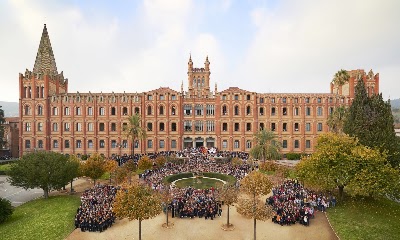
Jesuitas de Sarriá
Educational center for children aged 3 to 6 that applies active methodologies based on heuristic play, treasure baskets, symbolic play and peer learning with variable weekly groupings.
Services:

Escola Pia de Sarrià
School located at the foot of Parc Natural de Collserola with its own entrance and exclusive parking for families. Offers free childcare from 7:30 AM to 6:00 PM.
Services:
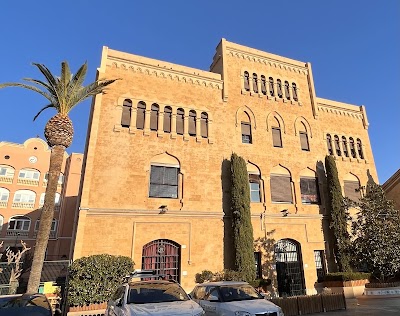
Sagrat Cor Sarrià
Educational center with nursery for children aged 0 to 3 years in a renovated space, own kitchen, nursing service, and flexible entry and exit times adapted to families.
Services:
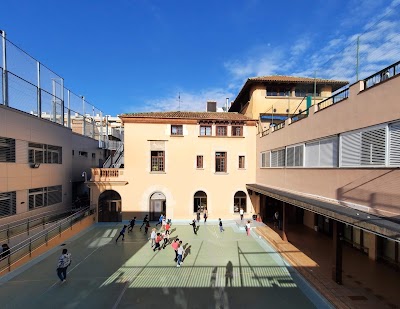
Escuela Infantil Italiana M. Montessori
Early childhood education center that follows the Montessori method and the principles of Reggio Emilia pedagogy, with multilingual education in Italian, Catalan, Spanish and English for children aged 3 to 6 years.
Services:
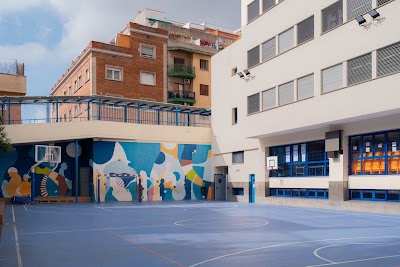
Institución Montserrat
A state-subsidized educational center that develops service-learning projects and actively participates in multiple charitable campaigns such as Banc dels Aliments, Avismón, and La Marató de TV3.
Services:
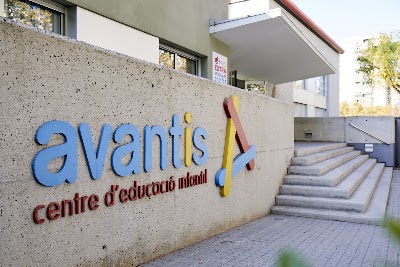
Avantis Centre d’Educació Infantil
Services:
Relevant information before taking your child to a subsidized preschool
They're not the same. Broadly speaking, a private daycare and an escola bressol (municipal) cover ages 0 to 3 with a focus on care and early learning; a subsidized preschool usually integrates the 3 to 6 year stage within a larger center, with continuity into primary school. If it matters to you not to change centers later on, that continuity is a point in favor.
It's useful, and when done well, it shows. The first days with reduced hours help the child separate gradually from the family and gain confidence in a new environment. What reveals a good center isn't that they do it, but how: whether they accompany the transition with care and communication, or simply dispatch it as a mere formality.
Very much so, more than at any later stage. With such young children, a low ratio means more individual attention, greater safety, and earlier detection of any issues. Ask how many children there are per adult in the actual classroom, not in the center overall: it's one of the most revealing pieces of information.
They can start to become familiar with them, but with realistic expectations. At these ages children absorb sounds and habits easily, and that's valuable, but there's a long way from that to "becoming bilingual"—a journey that depends on continuity over years. Value early exposure as a good foundation, not as a guaranteed result.
Through the communication the center itself maintains with you. At this age the child won't tell you about their day, so you depend on the educators informing you: how they eat, how they sleep, how they interact. A good center has fluid contact channels with families; if it's hard to get updates on how things are going, that opacity is already an answer.